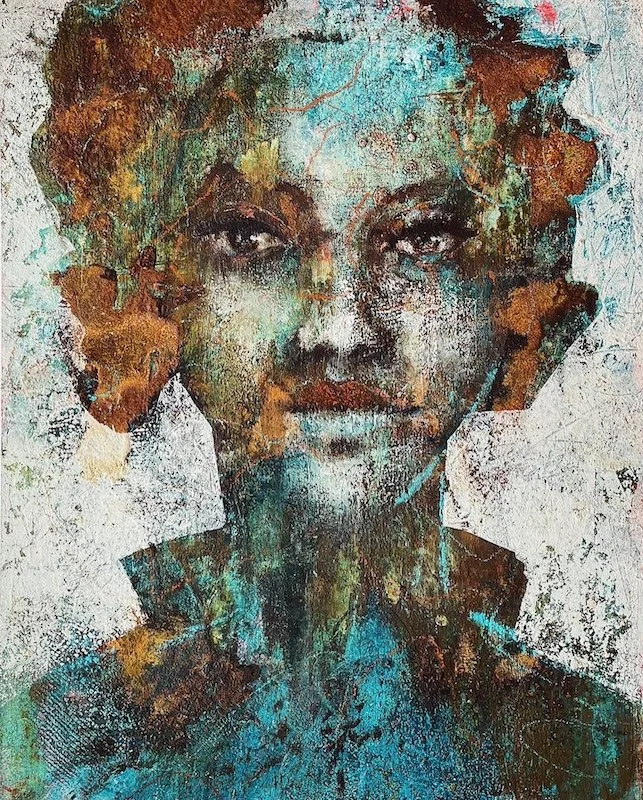
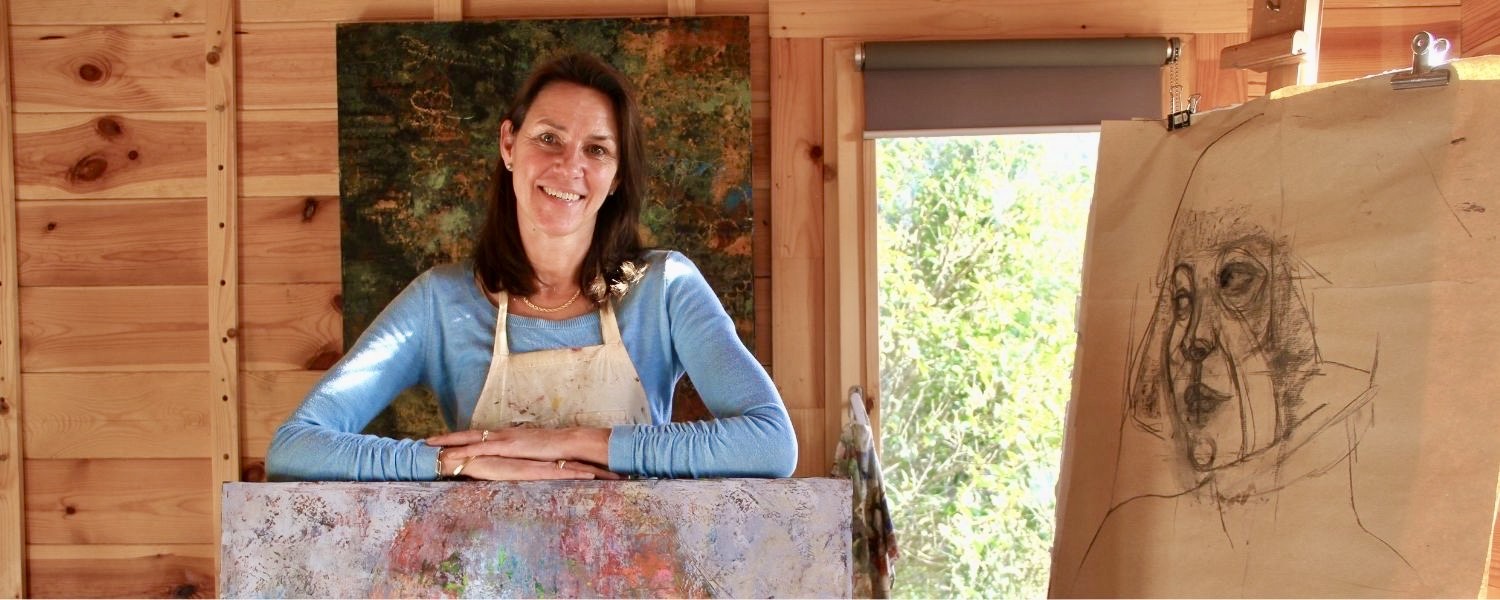
This is one of my favorite exercises! When you lack inspiration or look for a fun and relaxing painting technique, try monochrome painting, where you use just one color, black, and white to create an artwork in your sketchbook. I have created a small painting tutorial on this technique, which helps you to improve your understanding of light and shadow while simplifying your process!

1. What is Monochrome Painting?
Monochrome painting uses only one color plus black and white. This approach helps you focus on values—the lights and darks in your painting—without worrying about color mixing.
2. Create a Value Scale
Start by creating a value scale with your chosen color. Mix in black for the darkest tones and white for lighter values. Aim for 4-5 values, which will help create depth in your painting.
3. Sketch Your Subject
Make a light sketch in your sketchbook. Don’t worry about proportions—this is about the painting process, not a perfect drawing. You can even trace the sketch to save time.
4. Block in Color
I am using cold wax and oils but of course this tutorial can be done in oils or acrylics! I am using a bowl scraper (or a large brush) to block in the colors. The scraper helps keep the painting loose and avoids fine details.
5. Focus on Light and Dark
Start with your darkest values and gradually work toward lighter tones. Pay attention to how light hits your subject—round shapes, for example, will have different values in different areas.
6. Use a Black-and-White Reference
To better see the values, I suggest printing your reference photo in black and white. This makes it easier to compare the light and dark areas of your subject with the reference picture.
7. Relax and Experiment
Monochrome painting is about simplicity and relaxation. Without the complexity of color mixing, you can focus entirely on creating depth and experimenting with textures. Mistakes are part of the learning process!
8. Add Texture and Patterns
You can experiment with different tools—like stamps, stencils, or even bubble wrap—to add interest to your painting. This will give your piece more dimension and help break up large areas of color.
9. Sketchbook Exercises Are Fun!
Sketchbook exercises should be stress-free and experimental. Don’t worry about getting everything perfect—just enjoy the process and learn as you go.
I always say ‘Explore, Experiment and Play’!
10. Give It a Try!
Ready to try this yourself? Choose a color you love, create your value scale, and dive in!
The Texture Lab
If you enjoy exploring texture and mixed media, you might also love The Texture Lab, my upcoming membership. It will be a place for creative experiments, lessons, and inspiration. Join the waitlist HERE
If you enjoyed this tutorial, be sure to like, comment, and subscribe to my channel for more tips on cold wax painting. What color would you choose for your monochrome painting? Let me know in the comments!
As always, don’t hesitate to ask me questions, I would love to connect with you!💙