Trying Texture Mediums for Acrylic Painting: My Studio Experiment
I’ve been having a play with different texture mediums in my studio. There are so many gels and pastes to choose from, but what are they actually like to paint with?
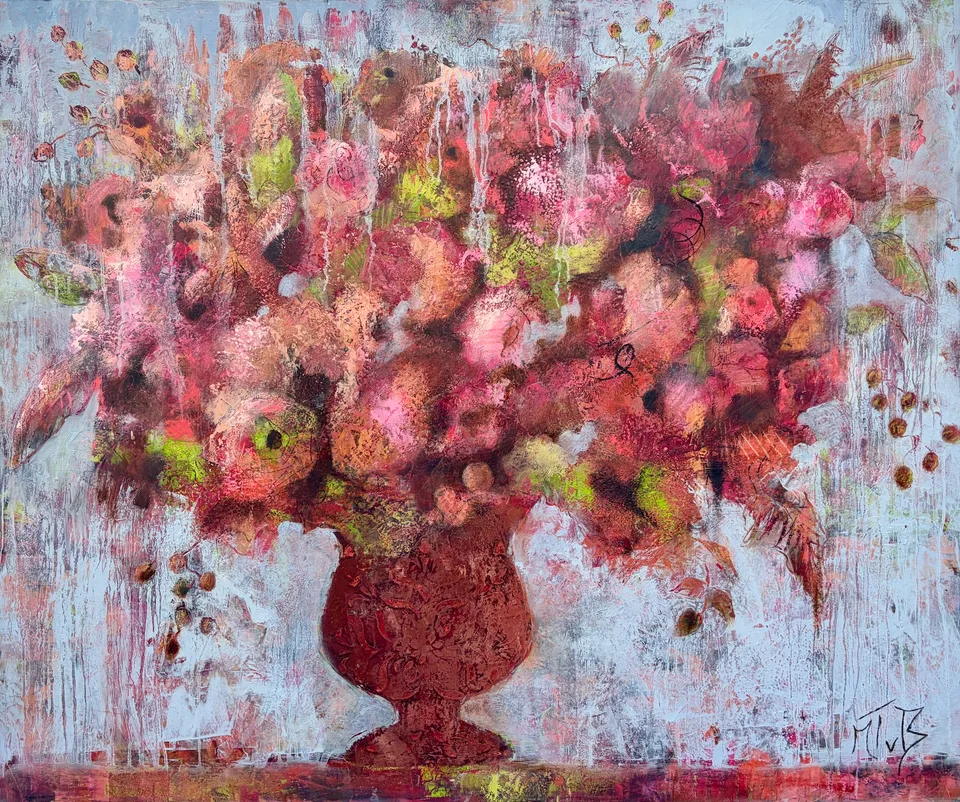
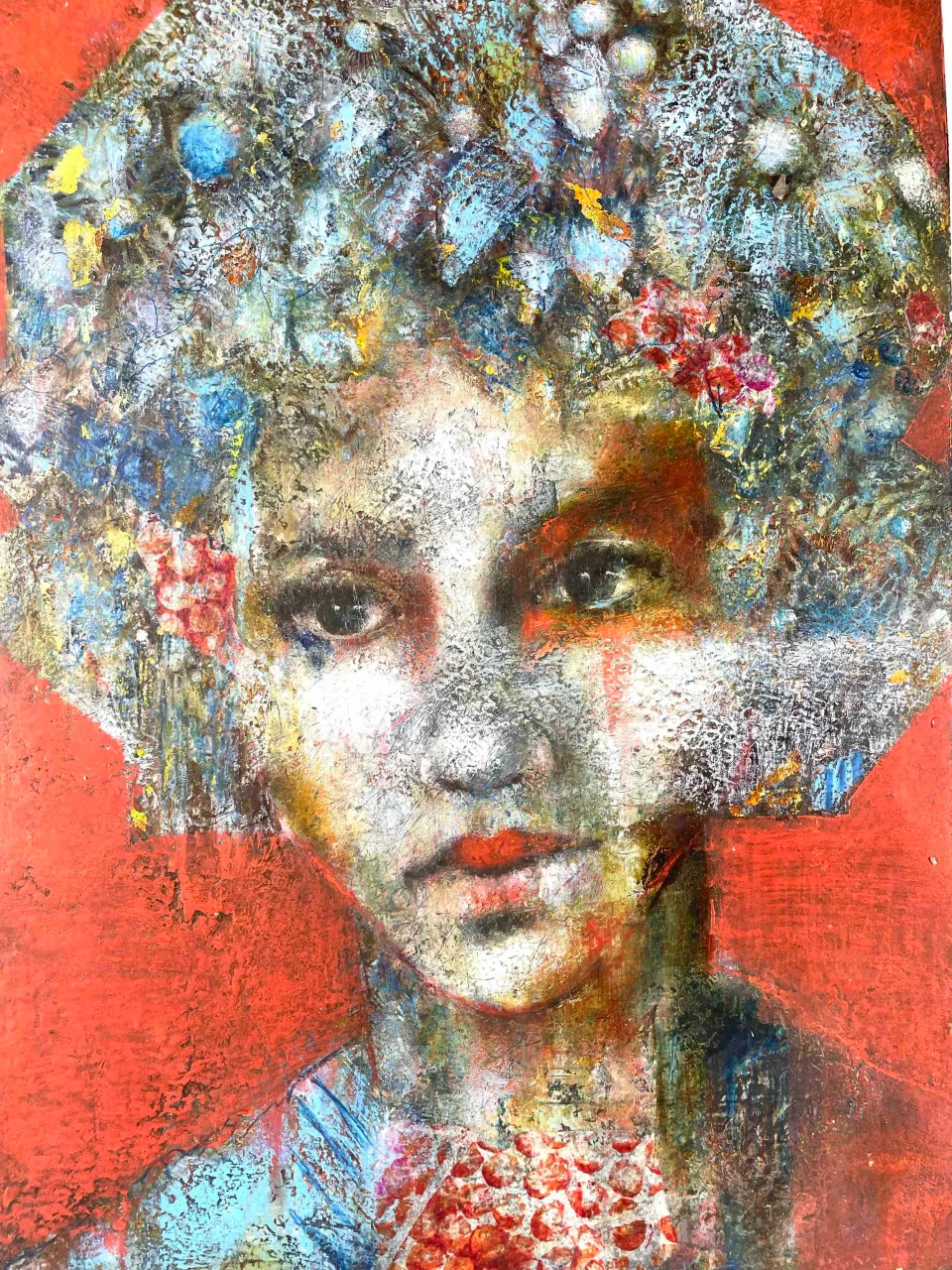
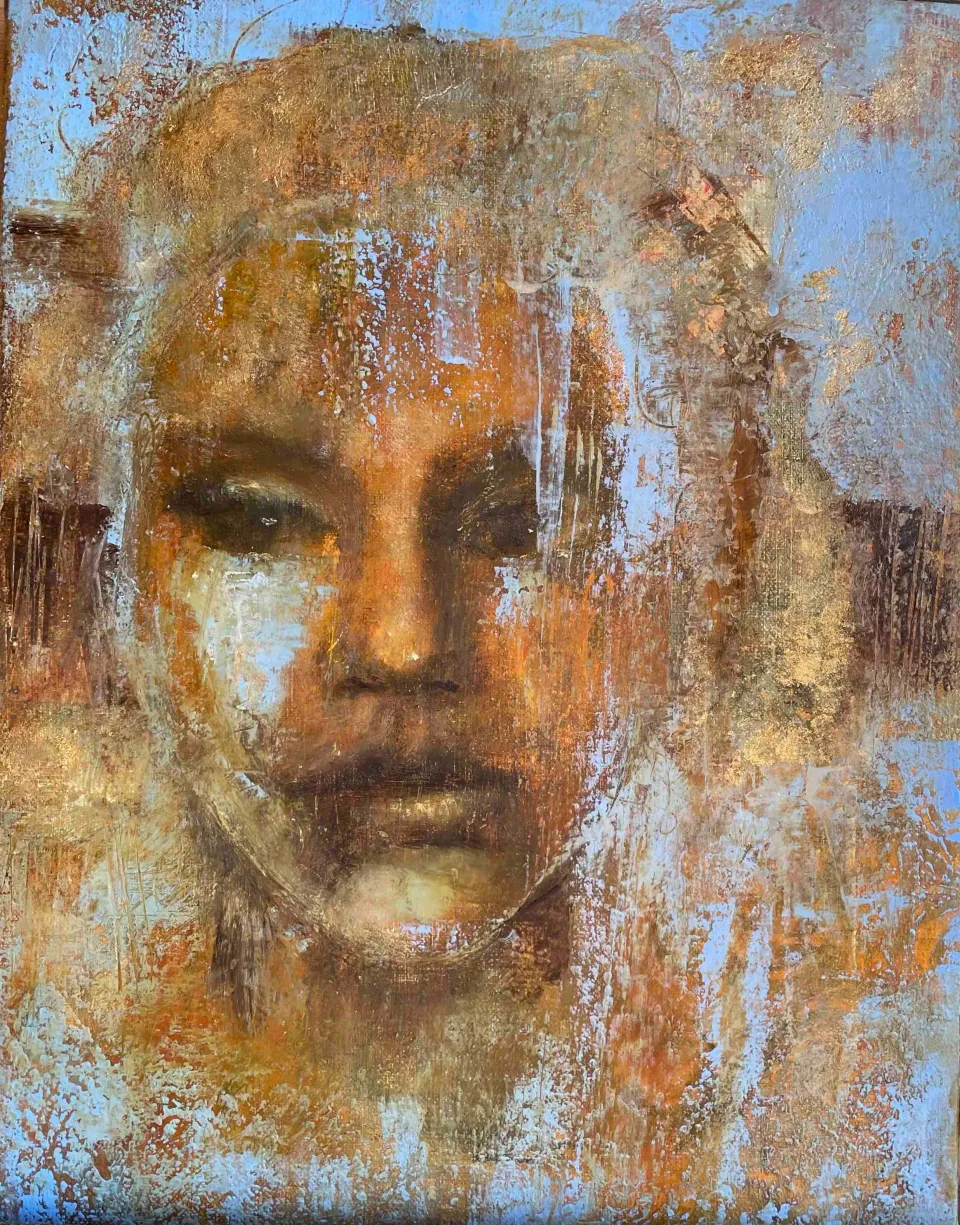
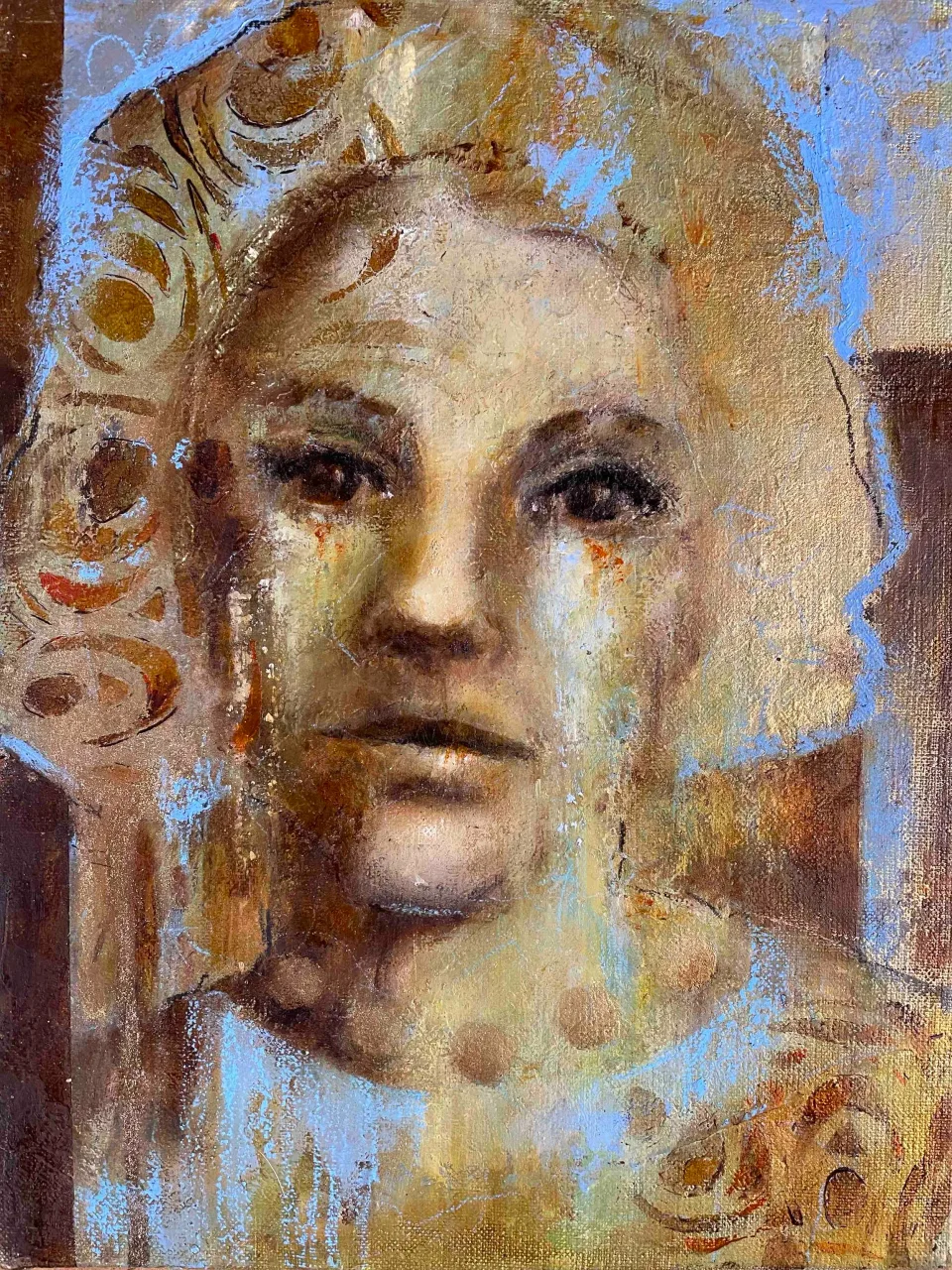
If you know my work, you’ll know that the background is half the fun! I love building up colour and texture, leaving little bits of earlier layers showing through, before I even think about adding a face, figure or flowers.
I’ve used Powerwax in my acrylic classes, and I wanted to explore some other possibilities. Could I build up those lovely layers with other materials? Could I use a stencil, make interesting marks and scrape back to reveal an earlier colour?
As I often do, I got excited and jumped straight in without reading all the instructions! I mixed for example the modeling gel with acrylic paint, but the manufacturer recommends acrylic inks. So perhaps I need to give it another try before making up my mind. If you’ve used one of these texture mediums, let me know how you work with it, I’d love to hear!
These are my thoughts after trying them. This isn’t about finding one product that is better than all the others. Something that doesn’t suit the way I paint might be just what someone else is looking for!
Amsterdam Heavy Gel Medium
A thick acrylic medium that adds body to paint and helps retain brushstrokes and palette-knife marks. It can be mixed with acrylic colours and comes in matt and gloss versions. Product details.
My thoughts:
I’ve been using this as an alternative to Powerwax for creating texture and building layers with acrylics. It works well for that, but scraping back is another story! In my tests, the dried surface had a rather plastic-like feel and was difficult to scrape into. I can build up the layers, but I can’t work back through them in quite the same way as with cold wax and oils.
Powertex Easy 3Dflex
A powder that can be mixed with Powertex or acrylic paint to create a thicker, textured mixture. It can also produce cracks, depending on the mixture, application thickness and drying conditions. Product details.
My thoughts:
This one was a little different from the others. I wasn’t expecting it to behave like cold wax, but it was already in my studio and I wanted to see what kind of crackled background I could make.
I’d like to experiment with it a bit more to get the cracks I have in mind. I can imagine those being a lovely starting point for a painting.
Acrylic paint with Powertex 3D Sand
Powertex 3D Sand is a porous, granular material for adding texture and dimension. For this experiment, I tried mixing it with acrylic paint. Product details.
My thoughts:
I’ve already made a YouTube video about adding sand to acrylic paint, but I wanted to include it here because I really like the finish.
You can create texture and paint further layers over it, although the result is quite different from cold wax and oils. It gives the surface a lovely grainy quality. Just take a little care with your tools when working over those rougher areas!
Acrylic paint with marble dust
Marble dust is a finely ground mineral powder used to add body and texture to paints and painting grounds. It needs a binder, such as the acrylic binder in paint; too much powder can weaken the mixture. About marble dust, mixing guidance.
My thoughts:
This became my favourite of the experiment! I could create texture, add layers, use a stencil and scrape back to reveal the previous colour without immediately ending up on the white canvas.
That was exactly what I had been hoping to explore. Of all the mixtures I tried, this one made me want to keep painting.
These are still my first tests, rather than a finished recipe, but I’m very curious to see what else I can do with it.
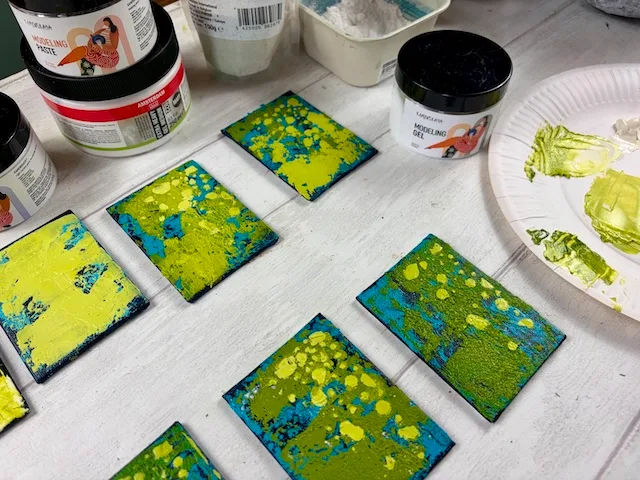
Kamenskaya Modeling Gel
A thick gel designed to hold raised marks. The gel itself dries transparent and glossy, and the manufacturer recommends colouring it with acrylic inks. Product details.
My thoughts:
tested this gel mixed with acrylic paint. It dried quite shiny, and when I tried scraping back, the painted layer lifted in one flexible sheet rather than revealing the colour underneath. The manufacturer recommends mixing it with acrylic inks, so that would be an interesting comparison to try next. For now, this particular mixture didn’t give me the effect I was looking for.
Kamenskaya Texture Paste
A paste for creating raised texture and holding the marks made with a palette knife. Kamenskaya offers several versions, with different consistencies and colours. Product range.
My thoughts:
This was the only sample where I noticed the colour becoming lighter as it dried. It was also very opaque.
For the way I paint, I would be more inclined to use it to create texture in the first layer. Later in a painting, I often want some of the earlier colours to remain visible, so that opacity is something I would need to work around.
Kamenskaya Modeling Paste
A thick paste for building relief and shaped marks. It can be coloured or painted over once dry. Product details.
My thoughts:
I quite liked the matte finish of this one. But when I tried scraping back, I reached the white canvas rather than revealing the previous colour.
Again, I can see possibilities for creating an interesting first layer. It just behaved differently from what I wanted when working back through several layers.
What would I use again?
The marble dust mixture was my favourite for the way I like to work. But that doesn’t mean the other materials have no place in my studio.
Creating a textured surface and being able to scrape back through layers are two different things. A material can give a beautiful texture without letting me work into it like cold wax.
You certainly don’t need to buy everything I’ve tried here. If you already have a medium in your cupboard, take a small surface and see what you can do with it. Sometimes that little experiment gives you an idea for a whole painting!
Watch the first part of the experiment
In my YouTube video, you can join me in the studio for the mixing and the first layer. You’ll see how the materials feel to work with and the different surfaces they create.
Taking the layers further in the Texture Lab
In the second part, for Texture Lab members, I work over those first layers, use a stencil to create texture and try scraping back to see what I can reveal underneath.
This is the part I really enjoy, finding out what happens when I keep painting!
The Texture Lab is my online painting membership for texture lovers. If you enjoy experimenting with colour, materials and layers, you’re very welcome to join us.
Come and have a look inside the Texture Lab
Have you tried any of these materials? I’d love to hear what you enjoy using and how you work with it.